
Software vulnerabilities are mainly caused by unsecured coding practices and unpatched codes. It is also caused by improper configurations and integrations. There are on average over 5 thousands software vulnerabilities a year! That is about over 10 bugs a day, regardless of the size of damage!
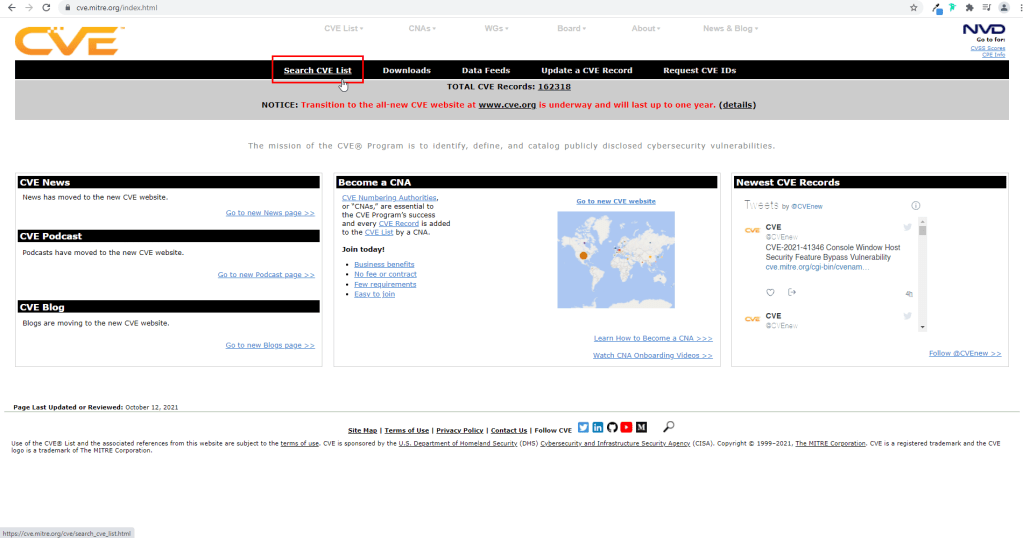
The Common Vulnerabilities and Exposures (CVE) provides a service for you to track and check the publicly reported vulnerabilities. The list is overwhelming and you will need to know what you are searching for. Use the search feature to identify and fix your software vulnerabilities below.
https://cve.mitre.org/index.html
There also other sources that tracks these vulnerabilities such as Microsoft Security Intelligence Report (https://www.microsoft.com/sir)

Nowadays, software companies use tools and auto-patching software to patch exploits within hours. However, the end-user devices might not updated their devices as fast. Thus, black-hat hackers are able to exploit end-user devices before they can update the patches.
Now that you are aware of software vulnerabilities, how can you reduce them?
You can use Security Development Lifecycle (SDL) to minimize your software vulnerabilities. SDL covers entire life cycle of the your software development and maintenance processes, people and tools. It is also ISO 27034 compliant and works together with SDLC (Software Development Lifecycle).
Check out Microsoft SDL
Choosing secured programming languages, secured operating systems (OS), and whitelisting programs ensure that your systems are more secured. Note: Whitelisting a software does not prevent you from initial attacks but it makes it harder for hacker to cause further damages.
Identifying and Patching software vulnerabilities are only one way you can ensure your systems are secured and prevent possible hacking. There are other ways hacker can compromise your systems such as social engineering, Trojan horse program, and malware, which they trick you into running such programs accidentally.
 Tech That Matters